

Dacia shows off different routes to electrification, writes James Stinson
One in four new cars sold in the UK in August were electric. A further 10 per cent or so were plug-in hybrids. That means around two thirds are still petrol or diesel. Such is the pace of development that most of these are now powered by some sort of hybrid technology – that’s a conventional engine working in conjunction with small batteries and electric motors. These can vary from full hybrid, which have larger batteries and electric motors and can travel for short distances on electric power only to milder versions that merely boost power and increase the efficiency of smaller petrol engines.
While the intention is that all new cars will need to be fully electric in a decade or so, there’s a lot of mileage in harnessing these technologies to get the most out of petrol engines. Earlier this year, the UK government changed its own rules to allow the sale of more hybrids beyond the initial cut off date of 2030. These rules could be loosened further. In the meantime, car manufacturers are ploughing ahead with new EVs, while all the time improving their petrol hybrids.
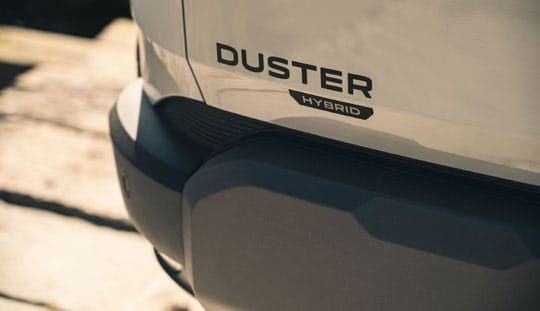
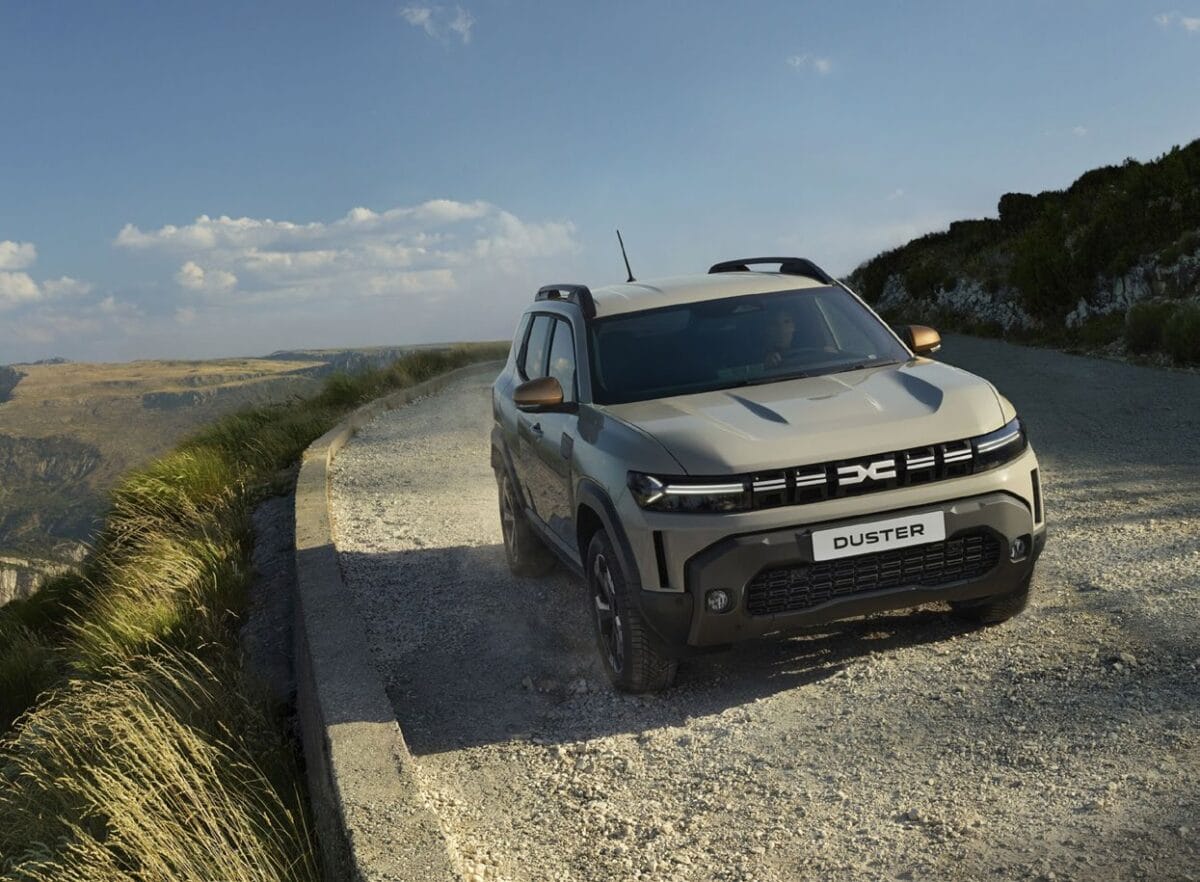
Last year Dacia broke new ground with the launch of its small EV, the Spring, priced from just £15,000. But the brand’s big sellers remain cars like the Dacia Duster. To this end, the Renault-owned car maker has just rolled out a couple of new powertrains for its attractive, value-orientated SUV. One – the hybrid 155 – is a bells and whistles full hybrid and the other – the 140 – is a milder hybrid. Both neatly demonstrate what this kind of technology can do. The new 155 powertrain combines a 109 bhp 4-cylinder petrol engine, two electric motors (a 50 hp motor and a high-voltage starter / generator), a 1.4 kWh battery and an automatic electric gearbox. It has four gears for the internal combustion engine (ICE) engine and two for the electric motors.
This combined technology is made possible by the absence of a clutch. The regenerative braking function works alongside the battery, with its high energy recovery capacity, and the efficient automatic gearbox, allowing Duster to remain in all-electric mode for significant periods of time in the city. What’s more, efficiency is heightened through the car always starting in all-electric mode. Official MPG has improved by 8 per cent over the outgoing engine, rising to north of 60mpg. Emissions too have reduced to just 105g/km.
The mild hybrid 140 option is a simpler affair, combining a new-generation 1.2 litre 3-cylinder turbocharged petrol engine with a 48V mild hybrid system and a 6-speed manual gearbox. The hybrid system supports the combustion engine during the start- up and acceleration phases, reducing official average fuel consumption to around 53mpg and CO2 emissions by around 10 per cent to 122 g/km. Regenerative braking recharges the 0.8 kWh battery as part of a process that is completely transparent to the driver. Coinciding with the roll-out of these new powertrains, the Duster also gains a new interior look with exclusive upholstery and matching trim on the Journey finish.
Extreme trim now features new 18-inch black alloy wheels. With the hybrid powertrains, both Extreme and Journey levels are now available with adaptive cruise control as standard. Pricing hasn’t been revealed yet but likely won’t be far off existing models, which start from less than £20,000. Full hybrid versions will cost more.